Traffic Impact Analysis Services

Enhancing Urban Mobility Through Data-Driven Insights

Our Traffic Impact Analysis services provide comprehensive insights into current and future traffic conditions. We assess existing data, project future volumes, and recommend effective mitigation measures to ensure smooth traffic flow and enhance urban development sustainably.

Aerial view of highway interchange
Traffic Volume
45,000
↑ 12% AADT
Level of Service
B
↑ Optimized
150+
TIA Studies Completed
98%
Approval Rate
12
States Served
15
Years Experience

Comprehensive Traffic Solutions

From initial data collection to final mitigation strategies, we provide end-to-end traffic impact analysis services that help developments move forward smoothly.

📊

Traffic Data Collection & Analysis

We gather comprehensive existing traffic data using advanced counting technologies and manual observations. Our analysis identifies peak hours, turning movements, and congestion patterns.

  • Automatic Traffic Recorder (ATR) studies
  • Turning movement counts
  • Queue length analysis
  • Speed & delay studies
🔮

Future Traffic Projections

Using industry-standard methodologies like ITE Trip Generation and local growth factors, we accurately forecast traffic volumes generated by new developments.

  • Trip generation analysis
  • Traffic distribution & assignment
  • Background growth projections
  • Pass-by & diversion trip analysis
🛣️

Impact Assessment

We evaluate how projected traffic will affect surrounding road networks, intersections, and sensitive areas, identifying potential bottlenecks and safety concerns.

  • Capacity analysis (HCM methodologies)
  • Level of Service (LOS) evaluation
  • Sight distance studies
  • Access management review

Mitigation Strategies

We develop practical, cost-effective solutions to address identified impacts, ensuring your project meets regulatory requirements while maintaining traffic flow.

  • Intersection improvements
  • Signal timing optimization
  • Access & circulation design
  • Transportation demand management

MUTCD Signal Warrants Analysis

We evaluate all nine Manual on Uniform Traffic Control Devices (MUTCD) signal warrants to determine traffic signal justification for intersections and crossings.

Warrant 1

Eight-Hour Vehicular Volume

Minimum vehicular volume warrant requiring adequate traffic volume on both major and minor streets over an 8-hour period. We analyze traffic counts to determine if the intersection meets the threshold of 600 vehicles per hour on major street and 200 vehicles per hour on minor street.

Warrant 2

Four-Hour Vehicular Volume

Alternative volume warrant with higher thresholds applied over any 4 hours of a typical weekday. This warrant requires 900 vehicles per hour on major street and 100 vehicles per hour on minor street, providing flexibility for locations with concentrated peak traffic.

Warrant 3

Peak Hour

Minimum volume warrant for peak hour conditions when traffic delays exceed acceptable thresholds. We assess when minor street traffic experiences excessive delays (typically 4+ vehicles per lane) due to insufficient gaps in major street traffic during the peak hour.

Warrant 4

Pedestrian Volume

Pedestrian safety warrant based on minimum pedestrian crossing volumes and gaps in traffic. We evaluate when pedestrians exceed 100 crossings per hour (or 190 over 4 hours) and face inadequate crossing opportunities (gaps less than 60 seconds).

Warrant 5

School Crossing

Special warrant for school zones considering student volume, age, and crossing conditions during arrival and dismissal periods. We assess elementary and middle school crossings where at least 20 students cross per hour and adequate gaps are insufficient.

Warrant 6

Coordinated Signal System

Warrant for signals needed to maintain proper traffic grouping and coordinated signal system progression. We evaluate when an intersection is part of a coordinated network where signalization is necessary to maintain platoon progression and system efficiency.

Warrant 7

Crash Experience

Safety warrant based on documented crash frequency and severity that could be corrected by signalization. We analyze 12-month crash data to identify 5+ correctable crashes (right-angle, turning, or pedestrian collisions) that signals would likely prevent.

Warrant 8

Roadway Network

System warrant considering the intersection's role in the overall roadway network and traffic management. We assess when an intersection connects major routes where signalization would improve network operations, reduce delay, or improve emergency response times.

Warrant 9

Intersection Near a Grade Crossing

Railroad crossing proximity warrant for intersections near at-grade railway crossings requiring signal coordination. We evaluate when an intersection is within 140 feet of a railroad crossing and signalization is needed to manage queuing and prevent vehicles from stopping on tracks.

How We Work

Our systematic approach ensures thorough analysis and actionable recommendations that stand up to regulatory scrutiny.

01

Discovery & Data Collection

We begin by understanding your project scope and collecting comprehensive existing traffic data. This includes traffic counts, crash history, roadway characteristics, and relevant planning documents.

02

Analysis & Modeling

Our engineers analyze existing conditions and build traffic models to project future volumes. We use Synchro, SimTraffic, and other industry-standard software to simulate traffic operations.

03

Impact Evaluation

We assess the impact of projected traffic on the surrounding network, identifying deficient locations and potential safety issues. This includes capacity analysis and level of service determinations.

04

Mitigation & Documentation

We develop mitigation measures and prepare comprehensive TIA reports that meet all jurisdictional requirements. Our documentation includes technical analysis, recommendations, and implementation strategies.

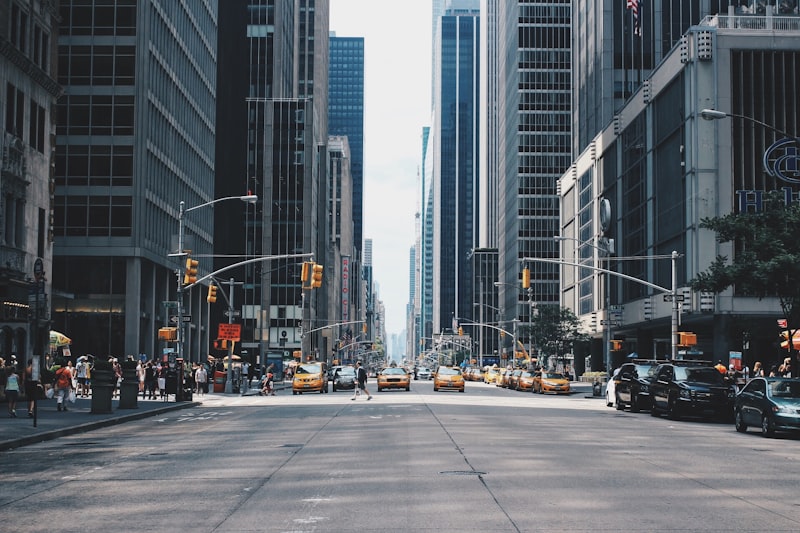
Small urban street intersection with traffic lights

Proven Results

Real projects that demonstrate our ability to solve complex traffic challenges and secure approvals.

Mixed-Use Development

Downtown Transit Center

Traffic impact analysis for a 45-acre mixed-use development with 2,000 residential units, retail, and office space near a major transit hub.

35% Trip Reduction
6 mo Approval Time
Healthcare Facility

Regional Medical Campus

Comprehensive TIA for a 200-bed hospital expansion including emergency access analysis and ambulance routing optimization.

4 Signal Upgrades
A LOS Maintained
Industrial Park

Logistics Distribution Center

Analysis of heavy truck impacts for a 1.2M sq ft distribution facility, including weigh station impacts and freight corridor assessment.

800+ Daily Trucks
0 Deficiencies
Urban intersection at night with traffic light trails showing traffic flow
Sustainable urban mobility
500+ Projects
Completed

Committed to Sustainable Urban Growth

At Safety-Safety, we believe that effective traffic engineering is the foundation of livable communities. Our mission is to bridge the gap between development goals and transportation reality, ensuring that growth happens responsibly.

  • Data-driven decision making for optimal outcomes
  • Sustainable solutions that prioritize all road users
  • Regulatory expertise across multiple jurisdictions
  • Long-term partnerships with developers and agencies
  • Innovative approaches to complex mobility challenges
Start Your Project →
Aerial view of highway interchange showing traffic infrastructure

Frequently Asked Questions

Common questions about Traffic Impact Analysis and our services.

What is Traffic Impact Analysis?

Traffic Impact Analysis (TIA) evaluates the effects of a proposed development on the surrounding transportation system, ensuring that traffic flow remains efficient and safe.

Why is Traffic Impact Analysis important?

Traffic Impact Analysis is crucial as it helps identify potential traffic issues before they arise, allowing for proactive measures to be implemented, thus enhancing safety and minimizing congestion in urban areas.

How is Traffic Impact Analysis conducted?

TIA is conducted by collecting data on existing traffic conditions, projecting future traffic volumes, and analyzing the impact of the proposed development.

Who needs a Traffic Impact Analysis?

Developers, urban planners, and local governments typically require a Traffic Impact Analysis to assess the implications of new projects on traffic patterns and infrastructure.

What are the common outcomes of a Traffic Impact Analysis?

Common outcomes of a Traffic Impact Analysis include recommendations for traffic control measures, adjustments to road designs, and strategies to mitigate potential traffic impacts, ensuring smoother traffic flow and enhanced safety.

Ready to Move Forward?

Let's discuss your upcoming development project. Our team is ready to provide the traffic analysis expertise you need to secure approvals and ensure successful implementation.

📍
Office Location

450 Engineering Plaza, Suite 300
Metropolis, ST 54321

📧
📞
Call Us

+1 (555) 234-5678

🕒
Business Hours

Mon - Fri: 8:00 AM - 6:00 PM